
A crypto exchange service in Buenos Aires suddenly ceased operations: clients report missing funds
May 28, 2026
In Buenos Aires, a group of cryptocurrency exchange service users is alleging possible fraud after the sudden shutdown of an exchange office that had operated for more than three years on Lavalle Street.
The service had not only an office, a website, social media accounts, Telegram and WhatsApp channels, but most importantly — the trust of its clients. Many users regularly used the exchange both for everyday transfers and for receiving cash or Argentine pesos on local bank cards.
According to clients, the service had not raised suspicions for a long time. Exchanges were processed consistently, funds arrived the same day, and some transactions were carried out on a prepayment basis because the level of trust was very high.
The final days of operation
According to affected users, the first issues began on May 14, when representatives of the exchange service stopped responding to clients throughout the entire day.
On the morning of May 15, communication resumed, and an announcement appeared in the Telegram channel:
“Informamos que en breve estaremos respondiendo a las solicitudes y mensajes que por cuestiones técnicas impidieron realizar nuestro trabajo como lo hacemos siempre!”

Users were informed that the alleged technical issues had already been resolved and that the service was continuing to operate normally.
Several clients claim they separately confirmed whether transfers would still be processed that same day and received reassurance that they would.
After that, users continued sending funds in USDT.
According to the affected clients, once the cryptocurrency was received, the service representatives stopped responding to messages, even though the accounts continued viewing clients’ inquiries.
Some users also noted that on May 15 the service asked clients to send funds to a crypto wallet that had reportedly not been used for several months.
Closed office and disappearing accounts
On Monday, May 18, some clients visited the office and found the premises closed. A receptionist in the building reportedly told them that representatives of the service had announced an indefinite closure as early as Friday and had vacated the office that same day.
On the day of the visit, a group chat for victims began to form. According to participants, the group currently includes at least 14 people, and the confirmed amount of losses exceeds $10,000 USD.
There are also reports among clients of significantly larger losses, as the service allegedly offered interest-bearing deposit services. However, this information has not yet been publicly confirmed because the supposed victims have not disclosed their identities.
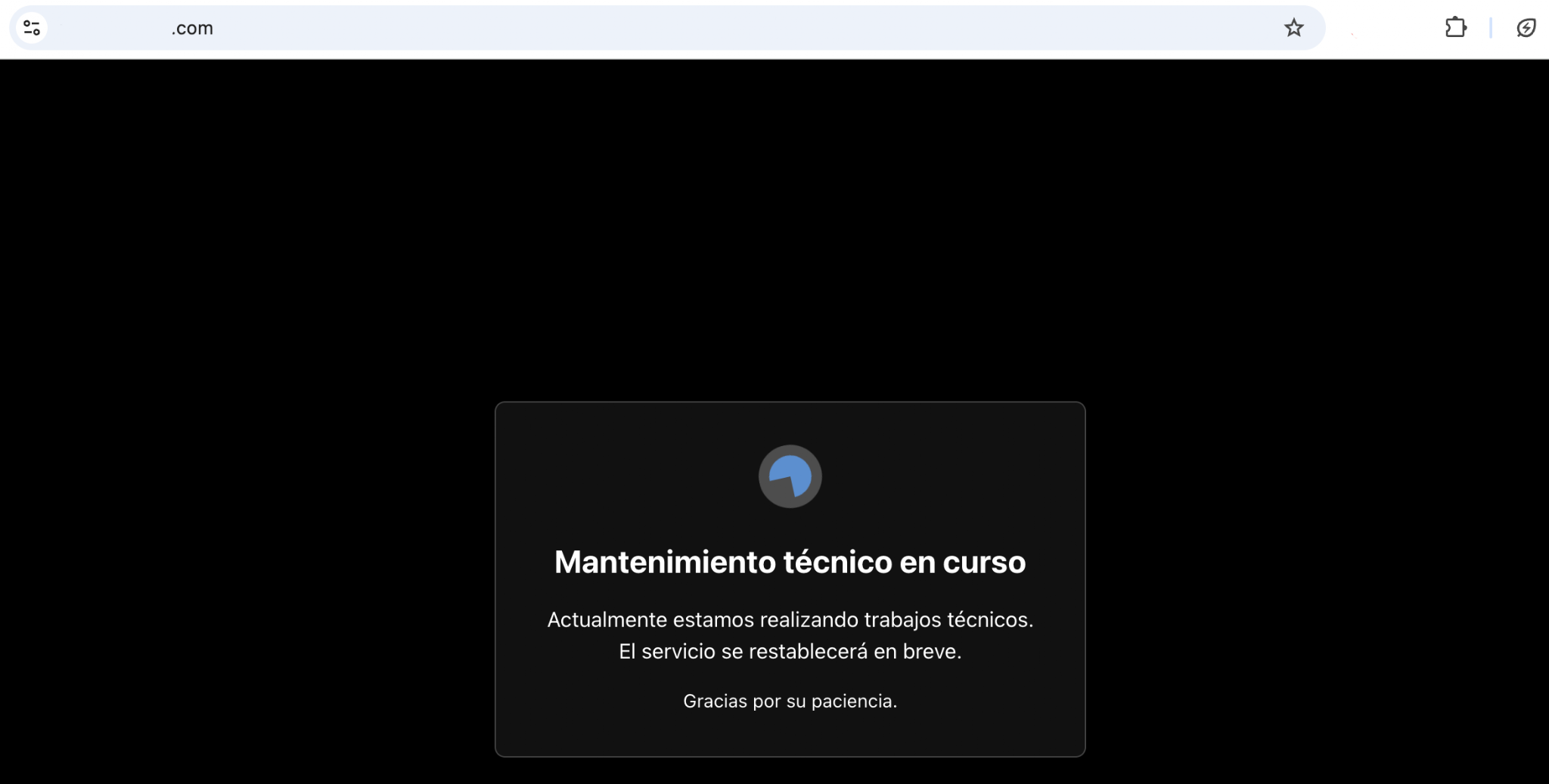
After operations ceased, the service’s Telegram and WhatsApp accounts were deleted or deactivated. The exchange service website also stopped functioning.
Police reports
Some victims have already filed reports with the police and the Argentine prosecutor’s office.
At the moment, no official statements have been issued by representatives of the exchange service.
Affected clients note that many users trusted the platform precisely because of its long operating history and physical office presence, which created a sense of reliability even for prepaid transactions.
The incident has once again drawn attention to the risks associated with informal crypto exchange services operating outside full financial regulation.
How to reduce risks when using crypto exchange services
The Kursoff team recommends that crypto exchange users follow several basic safety rules:
- do not keep large amounts with exchange services longer than necessary for a transaction;
- before making a large exchange, conduct a small test transaction;
- pay attention to sudden changes in communication, such as delayed responses, wallet changes, or altered operating conditions;
- verify the reputation of a service using several different sources, not just Telegram reviews;
- save transaction TXIDs, chat correspondence, and payment confirmations;
- be cautious with exchange services operating exclusively through messengers.
Even the presence of an office, a website, and years of operation does not eliminate risks. Users should regularly reassess their level of trust in a service and avoid treating past positive experiences as a guarantee of future reliability.